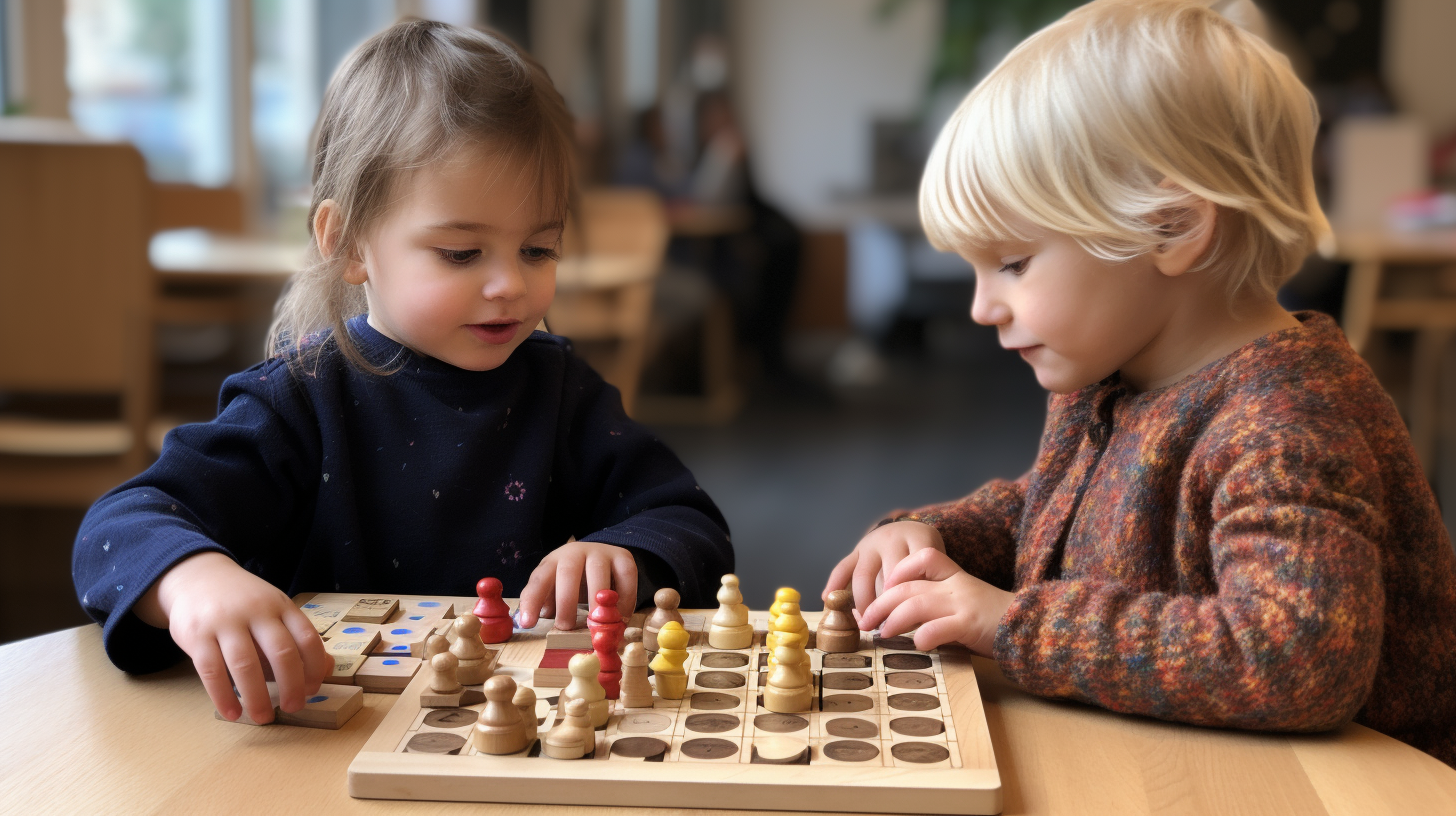
Montessori education is a unique educational approach developed by Maria Montessori. “Montessori, developed a new educational philosophy based on her intuitive observations of children. This philosophy stemmed from the traditions of Jean Jacques Rousseau, Johann Heinrich Pestalozzi, and Friedrich Froebel, emphasizing the child’s innate potential to develop in a free and loving environment.” This educational model aims to support children’s natural curiosity and desire for learning. In this article, we will explore the fundamental principles of Montessori education and its impact on child development.
Individualized Learning
Montessori education recognizes that each child is a unique individual. Classes are often composed of different age groups, allowing children to learn from each other and grow together. Children are provided with individual learning opportunities, and they are allowed to progress at their own pace.
Freedom and Responsibility
Montessori classrooms grant children specific freedoms and support them in learning to take responsibility while using these freedoms. This helps children develop decision-making skills.
Sensory and Practical Learning
Montessori education emphasizes enriching children’s learning experiences through sensory organs. Materials are often designed to appeal to the senses, allowing children to learn through concrete experiences.
Natural Environments and Materials
Montessori classrooms are equipped with specially designed materials to support children in learning within their natural environments. These materials help children understand abstract concepts in a tangible way.
Montessori education is an educational model that nurtures children’s natural interest in learning and encourages independent thinking. These principles not only help children discover and develop their potential but also provide them with life skills, not just academic knowledge.


